Understanding Leather Care

Leather furniture often experiences gradual colour loss and the development of fine cracks over time. These changes can result from exposure to light, temperature variations, and everyday use. Our approach involves a series of steps that include gentle cleaning, application of conditioning agents, and protective treatments. The goal is to support the material's natural structure without promising unrealistic transformations.

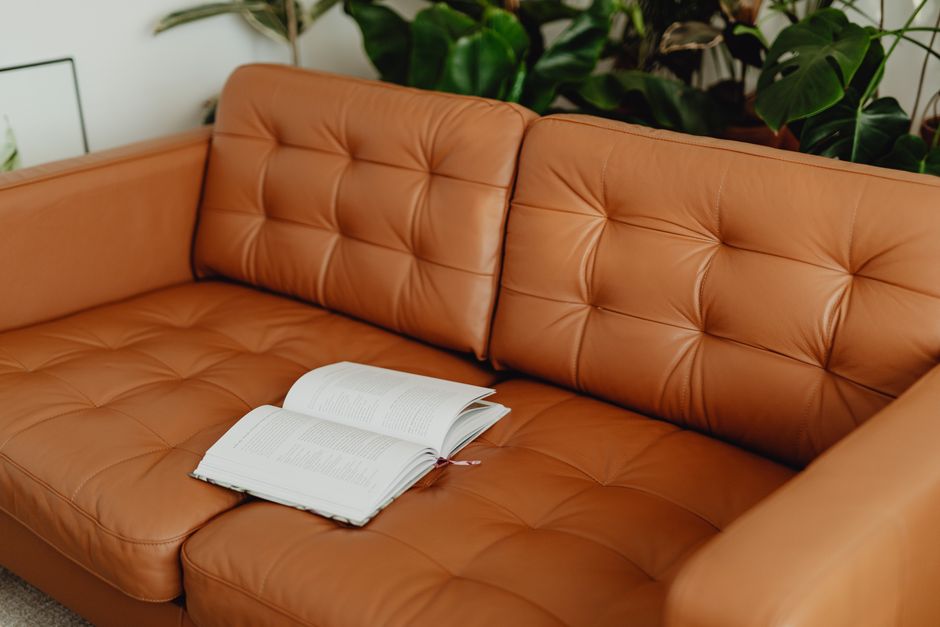
Elegant brown leather sofa with an open book, surrounded by vibrant houseplants, perfect for relaxation.

About Our Leather Care Methods

Leather Renewal offers a structured method for maintaining leather furniture. We begin with a careful assessment of the leather type and condition. Our cleaning process uses pH‑balanced solutions to remove surface dirt without stripping natural oils. Conditioning follows, using products that penetrate and nourish the leather fibres. A final protective layer may be applied depending on the leather's needs. This approach is based on industry guidelines and is adapted for UK homes.

Key Aspects of Our Service

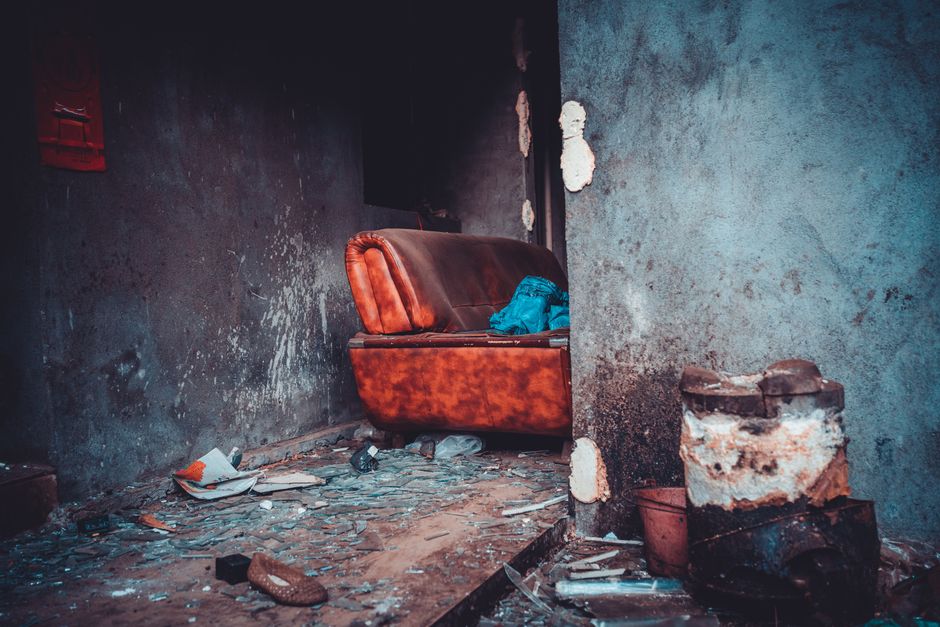
A decaying interior featuring an old leather sofa with debris scattered on the floor.

Client Experiences

Why Leather Conditioning Matters

Leather is a natural material that can lose its inherent moisture and flexibility over time. Factors such as central heating, sunlight, and regular use may contribute to dryness and small cracks. Conditioning treatments are designed to reintroduce oils and emollients that support the leather's structure. This is not a restorative cure for severe damage, but a maintenance step that may help preserve the material's appearance and feel.

Our Cleaning Process in Detail

Leather Renewal follows a systematic workflow. First, we identify the leather finish (pigmented, aniline, or semi‑aniline) to select appropriate products. Then we vacuum and dust the surface. Cleaning is done with a specialist foam to avoid over‑wetting. After cleaning, we apply a conditioner formulated for the specific leather type. In some cases, a colour refresh or protection coating may be discussed. Each step is documented and explained to the client.

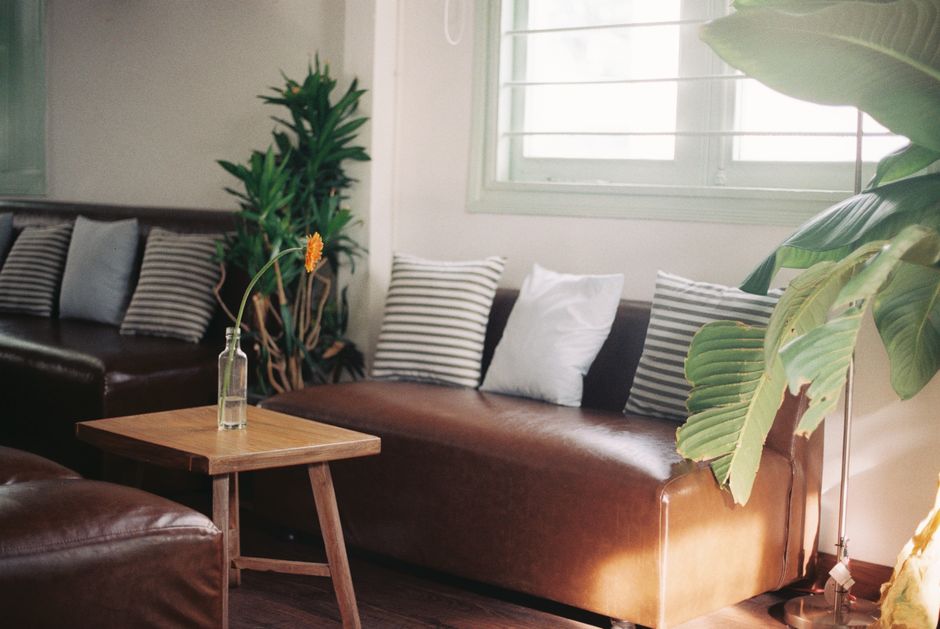
Inviting living room interior featuring leather sofa, plants, and a wooden coffee table with natural lighting.

What Our Service Includes

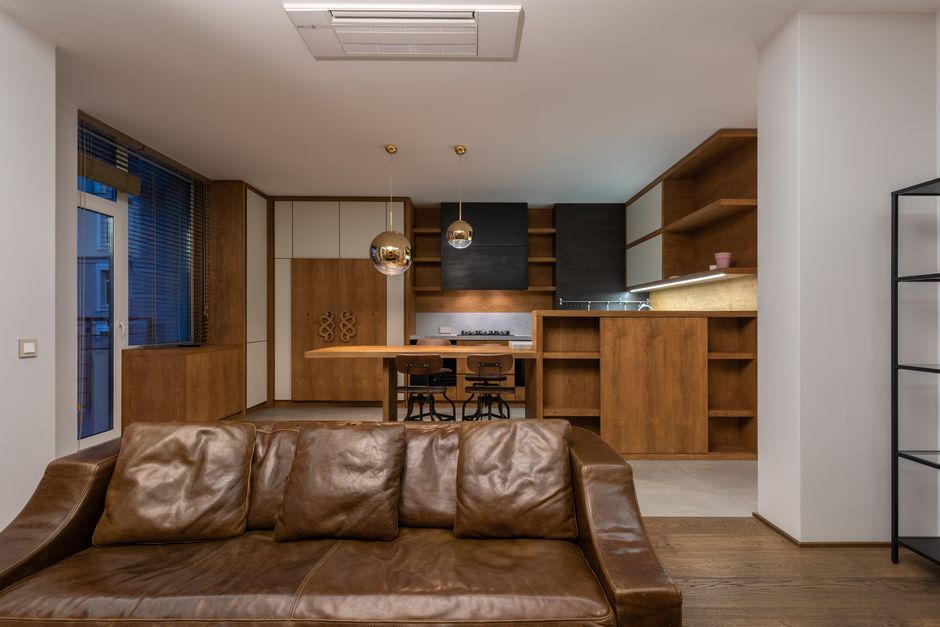
Comfortable leather sofa with pillows in contemporary apartment with modern interior and shelves
  • Leather Inspection

    Check for finish type, existing wear, and any repairs needed.

  • Surface Cleaning

    Removal of dust, oils, and light stains with safe solutions.

  • Conditioning Application

    Even distribution of nourishing cream or lotion.

  • Drying & Curing

    Allowing time for products to absorb before use.

The following images illustrate typical leather furniture before and after gentle cleaning and conditioning. Results vary depending on the initial condition and leather type. Each case is unique.

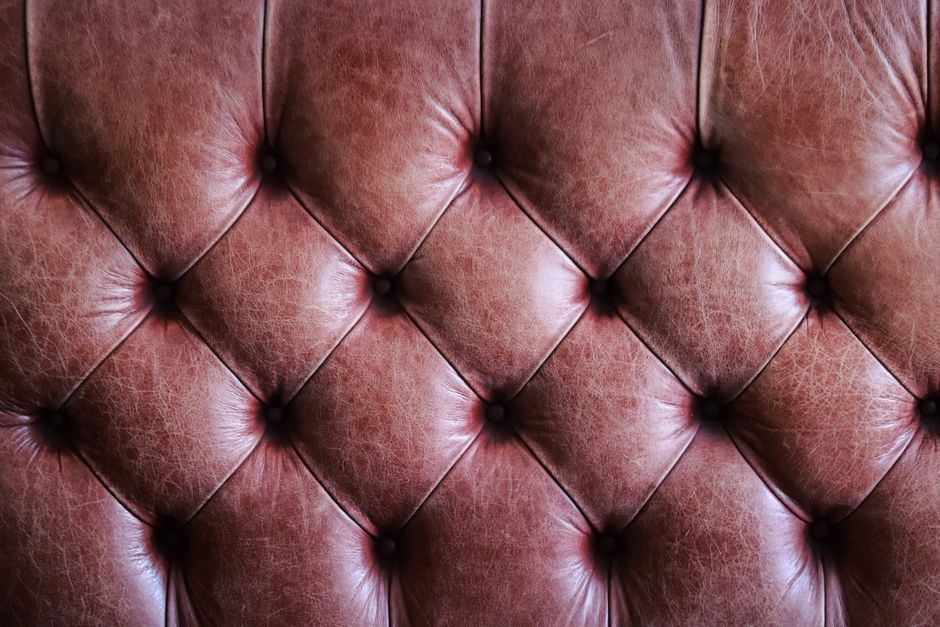
Close-up of tufted brown leather upholstery showcasing a vintage texture.
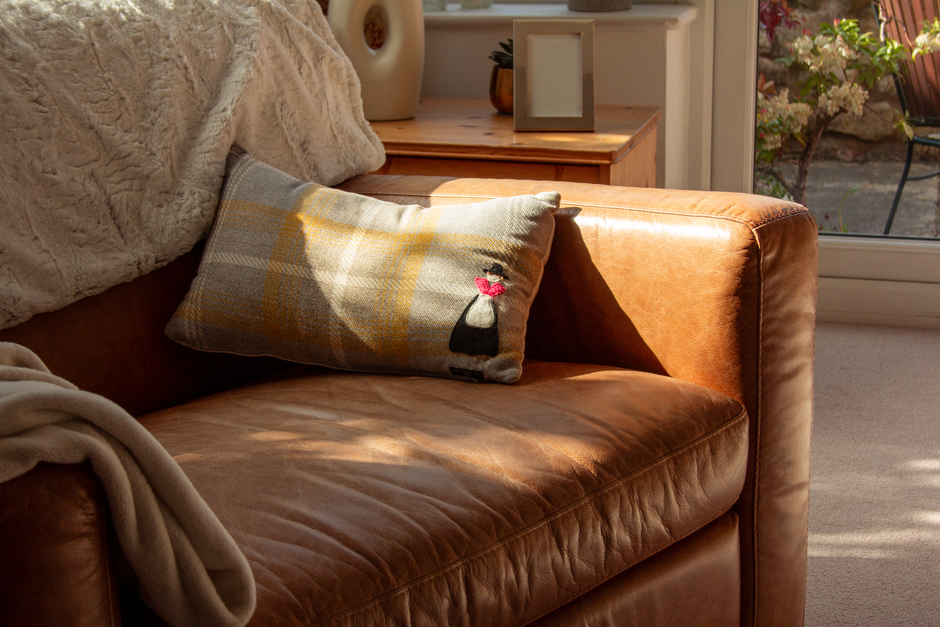
Sunlit living room with a cozy leather sofa and decorative pillow.
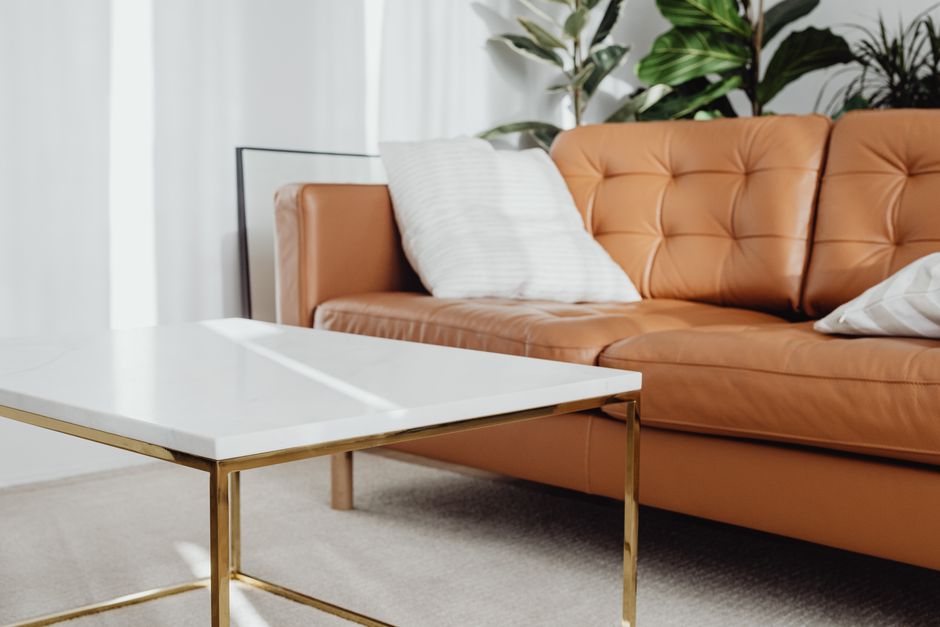
A stylish interior featuring a leather sofa, marble table, and indoor plants under natural light.
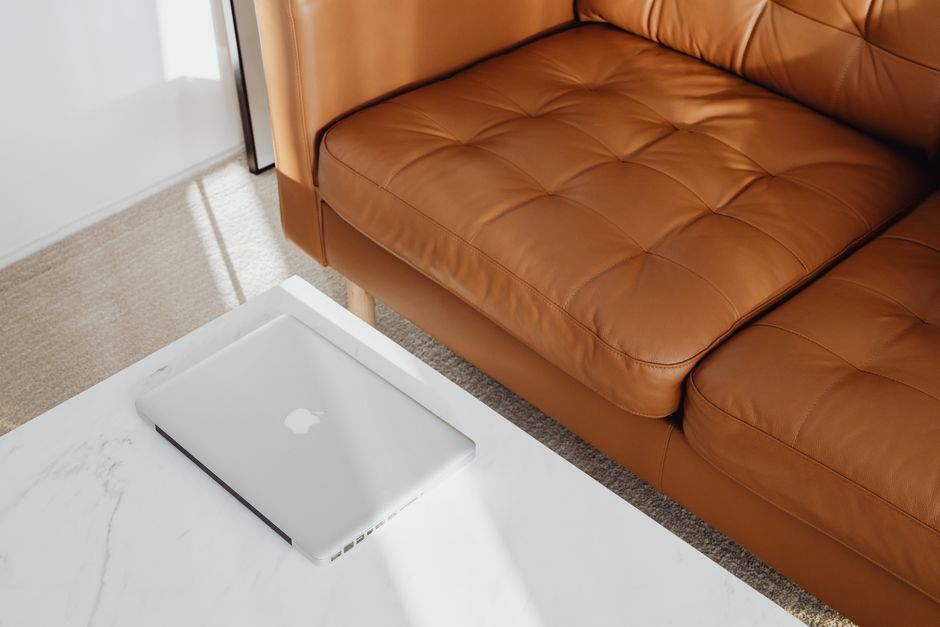
Stylish living room featuring a brown leather couch and laptop on a marble table.

Factors Influencing Leather Appearance

Leather's appearance changes over time due to a combination of environmental and use‑related factors. For instance, prolonged exposure to UV light may cause fading, while dry air can lead to cracking. Spills and body oils can also alter the surface. Our method focuses on addressing these issues through careful product selection and application. It is important to note that no treatment can reverse deep structural damage. Regular maintenance—cleaning and conditioning every 6 to 12 months—may help extend the life of the leather. The effectiveness of any procedure depends on the specific material, its history, and the conditions it is kept in.

Who We Serve

Leather Renewal works with homeowners, tenants, and businesses across the United Kingdom. We provide services for leather sofas, armchairs, headboards, and other upholstered items. Our approach is suitable for most common leather types, but we always advise a pre‑service consultation to discuss expectations. We are not a repair service for torn or heavily damaged leather, but we can offer guidance on appropriate next steps.

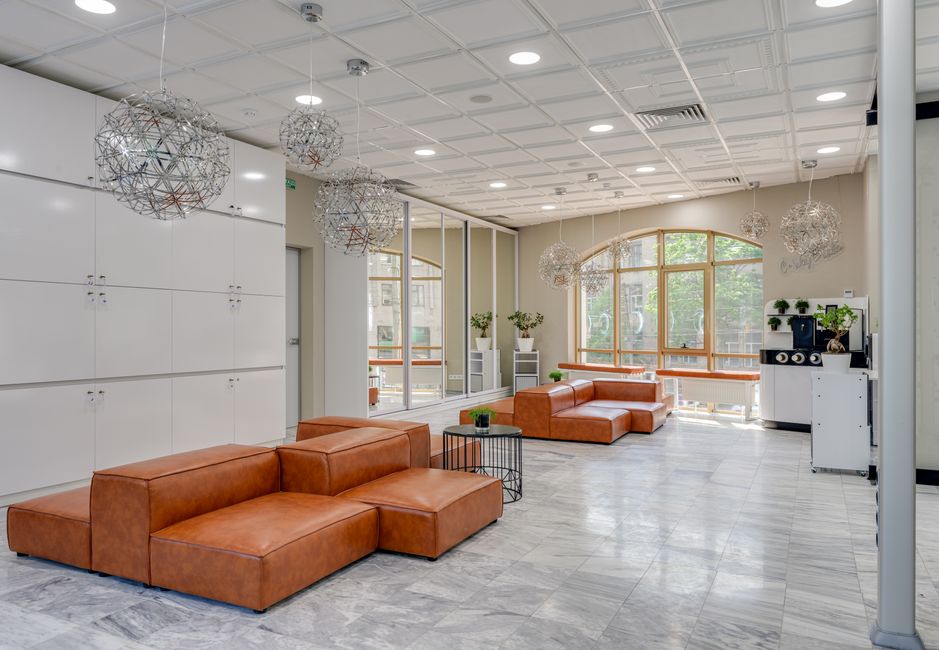
Spacious modern lounge featuring leather sofas and contemporary lighting, ideal for luxury interior design concepts.

Typical Service Steps

  • 01

    Consultation

    Discuss leather type and condition, answer questions, and outline options.

  • 02

    Preparation

    Vacuuming and testing of products on a small area.

  • 03

    Cleaning

    Application of gentle cleaner, followed by extraction or wiping.

  • 04

    Conditioning

    Even application of conditioner, allowing absorption.

Frequently Asked Questions

  • How often should leather furniture be conditioned?
    Conditioning every 6 to 12 months is often recommended, but frequency depends on usage, climate, and leather type. We can advise based on your situation.
  • Will conditioning remove existing cracks?
    Conditioning can help improve flexibility and reduce the appearance of minor cracks. Deep or structural cracks may require further assessment.
  • Is your cleaning process safe for all leather colours?
    We use products tested on many finishes. However, an initial patch test is always performed to confirm colourfastness and compatibility.
  • Do I need to be present during the service?
    We prefer that you are available at the start for a brief consultation, but after that you can leave the property if arrangements are made.
  • What if my leather has water stains or dye transfer?
    Water stains can sometimes be reduced with gentle cleaning. Dye transfer is more complex; we can evaluate and discuss possible approaches.

Our Commitment to Transparency

Leather Renewal believes in clear communication. We explain what each step involves and what outcomes are possible given the leather's current state. We do not use high‑pressure sales tactics or promise results that depend on many variables. Our pricing is based on the size and condition of the furniture. We provide a written estimate after assessment. You are welcome to ask questions at any point during the process.

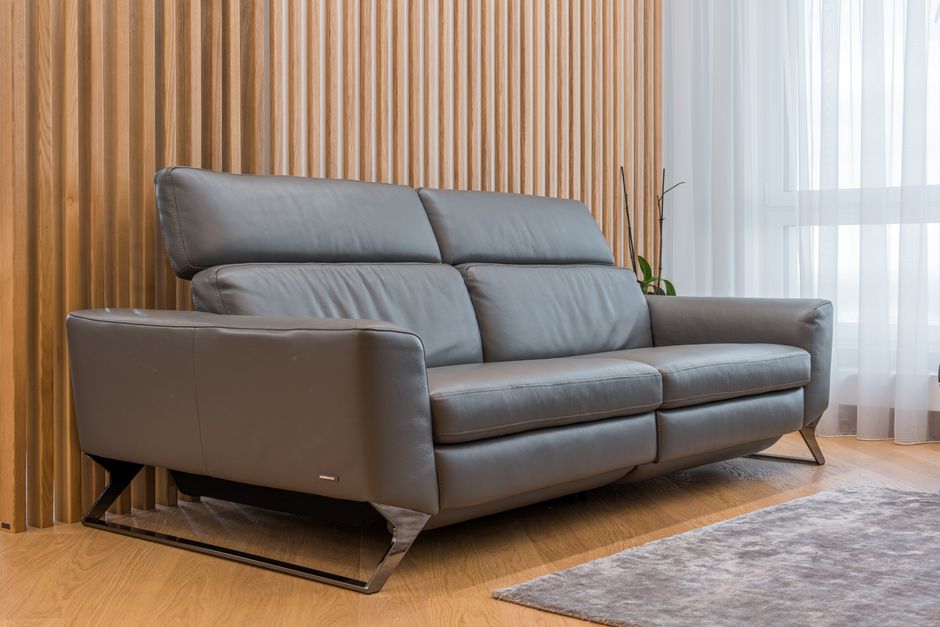
Large gray leather sofa placed in living room with carpet and windows with white curtains

Maintenance Tips for Leather Owners

To help maintain leather furniture between professional services, consider regular dusting with a soft cloth and avoiding direct sunlight exposure. Spills should be blotted immediately with a dry cloth. Avoid using household cleaners, soaps, or baby wipes as they can strip protective finishes. Placing furniture away from radiators may reduce drying. These are general suggestions; individual leather types may have specific needs.

Post‑Service Care Guidelines

  1. Allow Drying Time

    Keep furniture dry for 24 hours after conditioning for best absorption.

  2. Avoid Heat Sources

    Do not place items near radiators or heaters immediately after service.

  3. Test Cleaning Products

    If cleaning yourself, use pH‑balanced leather cleaner on a hidden area first.

  4. Monitor Condition

    Check leather periodically and note any changes to discuss at next service.

Get in Touch

If you have questions or would like to discuss your leather furniture, please use the form or contact us directly. We aim to respond within one business day.

Send Us a Message

We use cookies

We use cookies to ensure the proper functioning of the website, analyze traffic, and improve your experience. You can accept all cookies or reject them — the site will continue to operate. For more details, read our Cookie Policy.